If you want to learn how to find freelance clients when you are just starting, you have come to the spot.
Starting freelancing is simple. Creating a profile only takes ten minutes. The difficult part is getting clients to pay you.
You create your accounts, and you call yourself a freelancer. Then nothing happens. No messages, no orders, no replies. Days turn into weeks. You begin to wonder if freelance clients only come to other people.
Freelance clients do not only come to others. Freelance clients are everywhere. Most new freelancers look in the wrong places, say the wrong words, and give up too soon. This guide lists nine ways to land your first freelance clients even if you have no experience, and it also gives a simple 30‑day action plan so you know exactly what to do each week.
If you are new to freelancing, first read our beginner guide: How to Start Freelancing With No Experience: 10 Practical Ways. This article continues from where that guide stops.
Why Most New Freelancers Never Land Clients
Before we get into the methods, fix these three mistakes. These are the reasons most people stay without clients:
They wait instead of reaching out. They create a Fiverr gig or an Upwork profile. Then just sit back, hoping clients will find them. New profiles don’t attract clients by themselves. In the beginning, you have to go to the clients. You must start the conversation. Clients don’t come to you. You go to them.
They quit after five tries. They send proposals, get no response, and then give up. They think freelancing doesn’t work. Winning clients is a numbers game. The freelancers who succeed are the ones who keep sending messages after ten rejections. Even after twenty. They don’t stop. They just keep going.
They sound like everyone. “I am a passionate designer.” That’s what ten thousand other new freelancers say. It’s not unique. It’s not memorable. Clients don’t choose people who sound like they came from a template. Clients choose people who sound specific, helpful, and human. People with ideas, real solutions, real voices.
Remember these three fixes. Fix them. They make every method below twice as effective. They change everything.
1. Start With Freelance Platforms
Platforms are the place to get your first paying clients because the buyers are already there looking to hire someone.
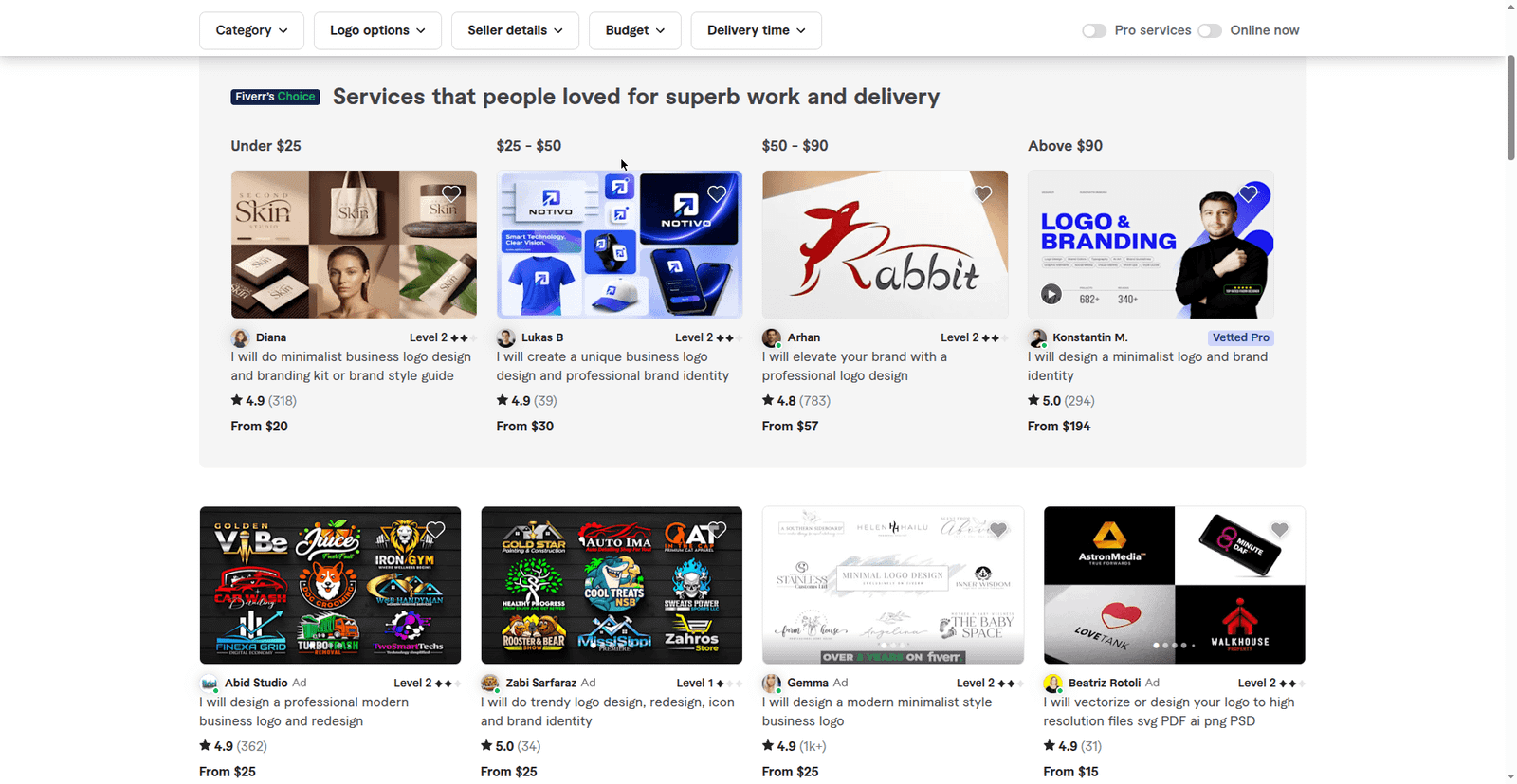
Fiverr works best for beginners. You create a gig, a clear service listing, and buyers come to you. The secret is being specific. “I will write blog posts” gets lost in the crowd. “I will write a 1,000-word SEO blog post for real estate agents”. Start with a low price, do more than expected, and collect your first five reviews. Those reviews change everything.
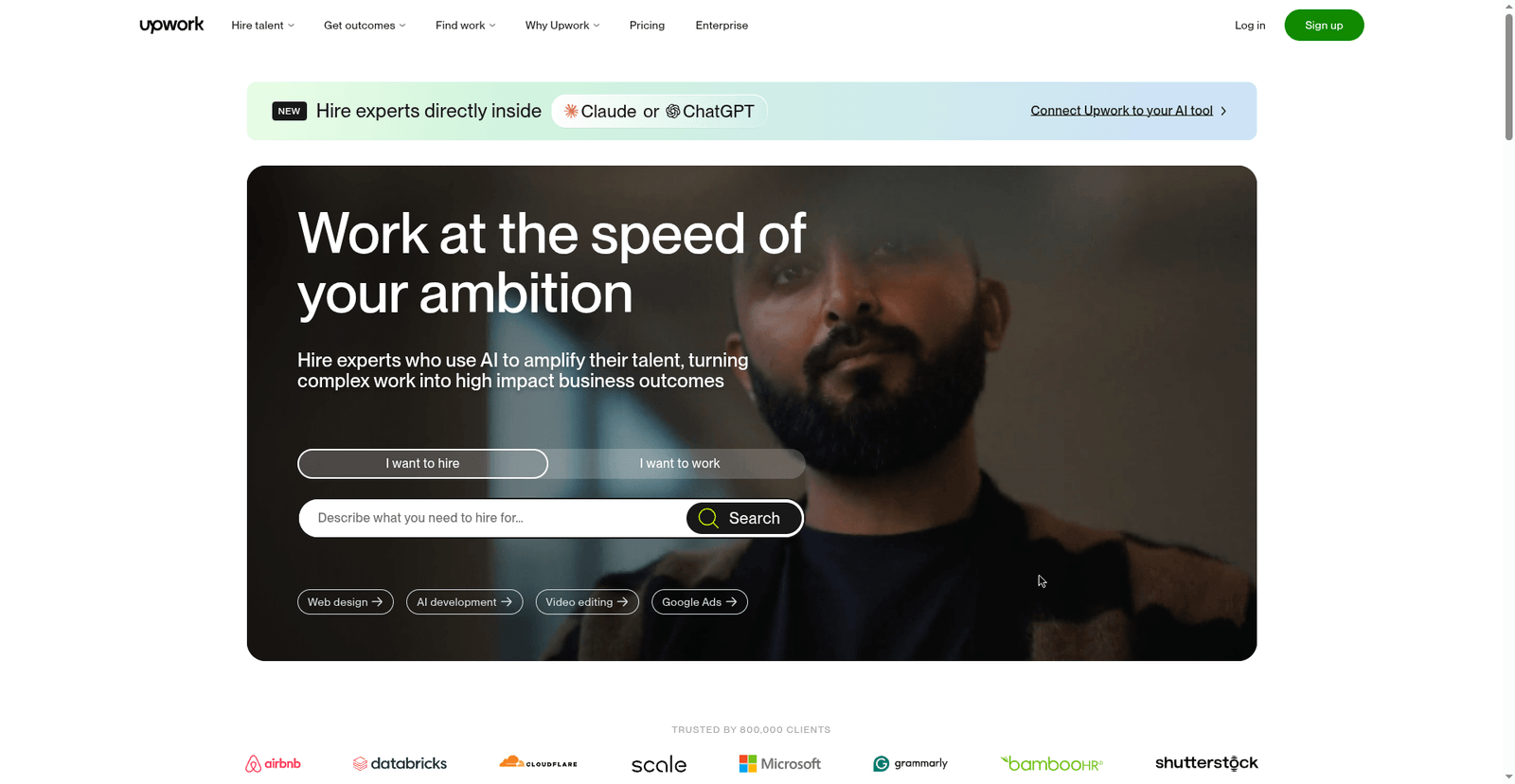
Upwork works in a way: clients post jobs, and you send proposals. Yes, applying costs. Competition is real. New freelancers win on Upwork every day with one skill: proposals that focus on the client’s problem, not themselves. Read the job post completely, mention something from it, and explain your approach briefly. Most people send copy-paste text. Do not be one of those people.
Use both. Fiverr brings clients to you while Upwork lets you find them.
2. Turn LinkedIn Into a Client Magnet
LinkedIn is not for office jobs. Thousands of business owners scroll LinkedIn daily. Many would hire a freelancer if the right freelancer appeared in front of them.
Set up your profile like this. Your headline must say who you help, not just your job title. “I help small businesses with email newsletters” beats “Freelancer” every time. Post twice a week. Share a tip, a small project, or something you learned. You do not need an audience. A few hundred people is enough.
Then do what most skip: send connection requests to clients with a short, honest note. Not a pitch, but a human message. For example: “Hi, I saw you run a fitness coaching business. I write email newsletters for coaches. Would love to connect.” A small fraction will start a conversation. That fraction is all you need to get your leads.
3. Try Cold Outreach

Cold outreach means reaching out to businesses that have never heard of you and offering your service. Many new freelancers are scared of outreach, which is why cold outreach works. A few people do cold outreach, so inboxes are not full.
Never sound like spam. Use this three-part structure:
- One compliment. Mention something like a blog post you read, a product you liked, or a problem you saw on the business’s site.
- One clear offer. State what you can do in one sentence.
- One easy next step. Ask a question like “Want me to send two free topic ideas?”
Example: “Hi, I read your guide on home workouts; it was really helpful. I noticed the business blog hasn’t been updated in two months. I write fitness blog posts for coaches. Want me to send three topic ideas?”
Short. Specific. Human. Send ten of these every day for a month. The talks will start. Just make sure to be real about what you want: generic emails sent to people get left behind (only 2% reply), but short messages that are personal do way better. A lot of people who work on their own say that reaching out to people helped them get some of their best first customers.
Where to find companies: listings on Google Maps, brands on Instagram, and special websites that list businesses. Local businesses are really good for people who are just starting out; it’s easier to make an impression with companies, and they pay quicker than you think.
4. Tell Everyone You Know
This sounds too simple, so most people skip it. Do not.
Post on your Facebook, Instagram, and WhatsApp status: “I just started offering [your service]. If someone needs [your service] or needs the thing, I would love to help.” You will be shocked by how many people respond or forward it to someone who needs it.
I have started freelancing as a [your skill]. If your company ever needs [service], please keep me in mind. People hire people they already trust. The first two or three paying clients usually come from the circle
5. Join Facebook Groups and Online Communities
Facebook groups that have thousands of members often have business owners looking for freelancers every day. Look for groups that are related to your skill or that are focused on business owners in general.
Two rules. First, be genuinely helpful: answer questions, share advice, and stay visible. People look at your profile before they hire, and a history of comments is better than any advertisement. Second, follow the group rules about promoting yourself; many groups have places or times for it. Use those.
Reddit is similar. Communities like r/forhire and smaller subreddits often have posts about hiring. Help first; never spam.
6. Check Smaller Job Boards
Beyond the platforms, smaller boards mean less competition for each job, so your application actually has a better chance of being read:
- ProBlogger Job Board, for writers
- Behance and Dribbble boards for designers
- We work remotely, Remote OK for remote freelance roles
- Contra, a newer platform with zero commission fees
Spend 30 minutes each morning going through two or three of these boards and applying to every job that fits. Consistent daily applications work better than big bursts.
7. Create Content That Attracts Clients
This is the game, the game that eventually lets you stop chasing and start choosing.
Pick one platform: LinkedIn, X/Twitter, Instagram, or a small blog. Share useful things about your craft on a regular basis. Keep explanations. Show before-and-after work. Share lessons learned from projects. Over time, people start seeing you as the expert in this field. Then messages begin to arrive: “Do you take on clients?” You do not need thousands of followers. One writer earned her three clients with only 300 followers because those 300 followers were all small business owners. Document your journey openly, even when you are a beginner. People love hiring someone whose growth they watched happen.
8. Ask Every Happy Client for Referrals
One client can become four if you ask.
When a project ends well, say, “Glad you loved it! I am taking on projects right now. If anyone you know needs [service], I would really appreciate an introduction.”
Freelancer surveys consistently rank. Word‑of‑mouth is the number one source of new business. Satisfied clients happily agree to refer you. Referral clients are the most valuable: they trust you already through someone they trust, and they negotiate less on price. They often become long‑term clients who send steady work your way. A single referral chain can keep a freelancer booked for months.
Never feel awkward asking. Every real business does this. You are a business now.
9. Offer One Strategic Free Sample
Let us be clear: never make a habit of giving work. One good free sample at the beginning can open doors that would otherwise stay shut.
Do it right: give a specific free sample, not vague free labor. For example, say, “I will write one blog post so you can see my style,” or “I will redesign your homepage banner for free; if you like it, we can talk about the project. ” You are not begging; you are removing the client’s risk.
Strict limit: offer a sample to only two or three clients and then stop. Once you have testimonials and samples, your work sells itself. The free sample buys your reviews; nothing more.
How to Look Hireable With Zero Experience
Each method above converts when you look prepared:
- Create 3–5 sample projects. No clients yet? Invent them. Design a simple logo for a coffee shop. Write a blog post for a client. Samples prove skill as well as paid work.
- Write like a person, not a resume. The phrase “I help busy parents plan birthday parties” is stronger than “event professional passionate about excellence.”
- Reply fast. Half of winning a client comes from replying within hours while competitors reply after days.
- Niche down your message. The statement “I write emails for fitness coaches” beats “I am a writer.”*
Mistakes That Keep New Freelancers Clientless
- Pricing from fear. Begin with a price that’s affordable, but do not give it for free. Increase the price after getting some clients.
- Saying yes to everything. A client that wants a logo, a website, and marketing for twenty dollars is a headache, not a good chance. Stay focused on what you do.
- Never follow up. If someone showed interest. Then they stopped talking; reach out again after one week. Most deals close because of that follow‑up.
- Quitting at week two. Many people stop just before results appear. Let each method run for thirty days of effort before deciding if it works.
Your First 30 Days: A Simple Action Plan
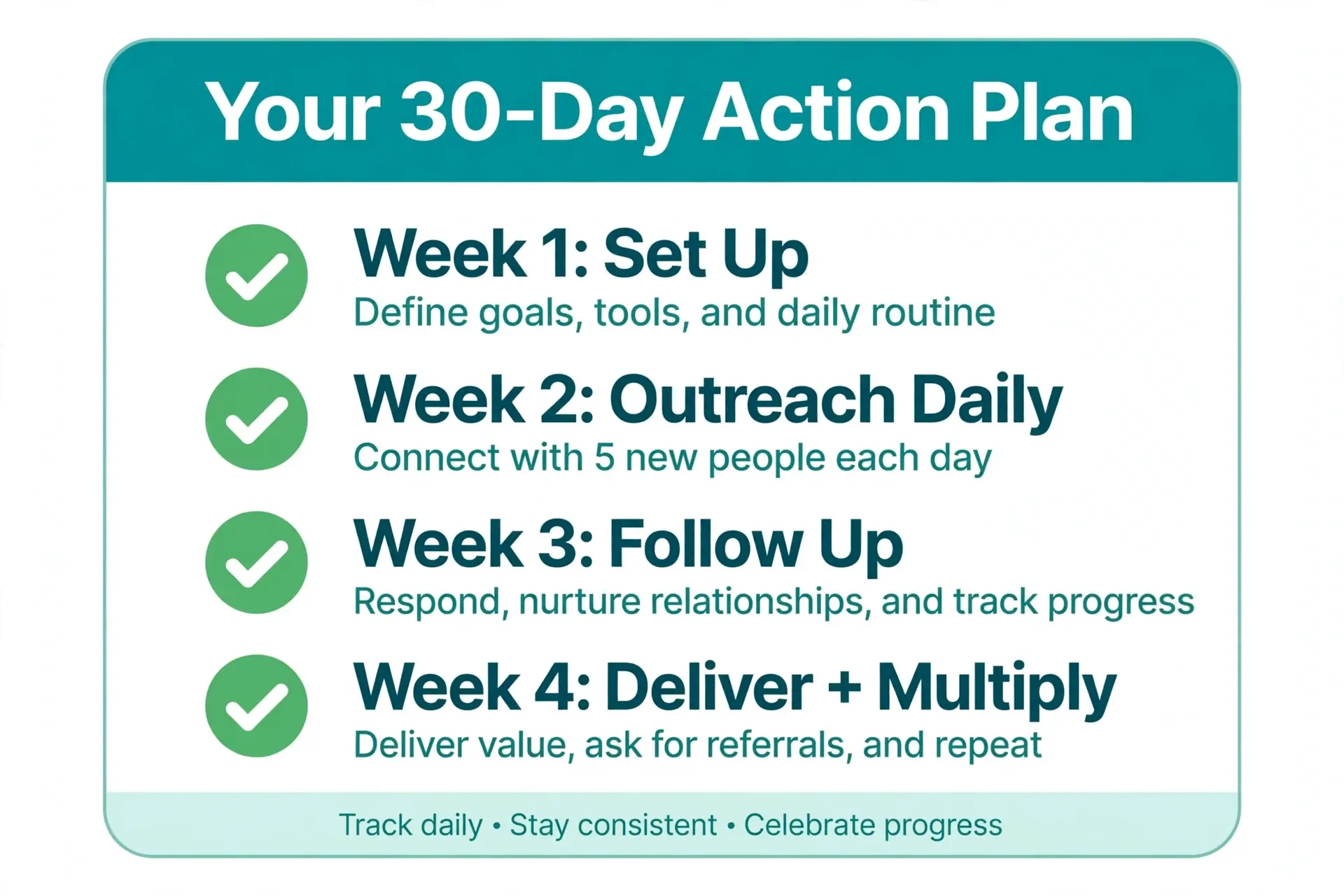
Here is how I combine everything above into a routine:
Week 1: Foundation. The freelancer creates a Fiverr gig and Upwork profile. The freelancer builds three sample projects. The freelancer sets up LinkedIn with a headline that focuses on clients. The freelancer tells the network that the freelancer is open for work.
Week 2: Outreach begins. The freelancer sends five Upwork proposals every day. The freelancer sends five emails each day. The freelancer joins three Facebook groups. Starts helping others. Freelancer posts on LinkedIn.
Week 3: Double down. The freelancer keeps the outreach going. The freelancer follows up on every message from week two. The freelancer publishes samples as content. The freelancer asks anyone who shows interest for a call.
Week 4: Close and expand. The freelancer pushes conversations toward paid work. Freelancers deliver projects well. The freelancer asks every client for a referral and testimonial.
Thirty days of this routine are what freelancers with clients get from freelancers with excuses.
Frequently Asked Questions
How long does it take to get the freelance client?
Most beginners who stay consistent get their freelance client within 2 to 8 weeks. The real difference isn’t talent. It’s how many people you reach out to each day.
Can I get clients without a portfolio?
Yes, you can. Build 3 to 5 sample projects for clients just like you would for a real one. Clients care about what you can do, not who paid you in the past.
Upwork or Fiverr, which is better for beginners?
Use both if you can. Fiverr is simpler because buyers come to you. Upwork often pays more. You need strong proposals to stand out. Start with the platform that feels less scary.
How many clients do I actually need?
Not as many as you think. Two or three steady clients can fill up a beginner’s schedule. It’s better to keep clients happy and get referrals than to collect one-time buyers.
Is cold emailing dead?
Bad cold emailing is dead. Generic messages sent to thousands of people just get ignored. Short, specific, personalized messages still work—especially because many freelancers don’t do them right.
Final Verdict
Getting freelance clients is not about being lucky or having a profile. It is about being where people who need your work are talking to them like a real person and not giving up after the first time they don’t respond.
Choose three methods from this guide, not all nine. Use them every day for 30 days. Using platforms, reaching out, plus your network is a mix that has helped thousands of people before you. There is no reason it cannot help you.
Your first client who pays you is closer than you believe. Go take them.
Related Posts:
- How to Start Freelancing With No Experience: 10 Practical Ways—New to Freelancing? Start here first, then come back and find your clients.
- Best Tools for Freelancers — Coming soon: the exact tools that make finding and managing clients easier.