
Quick answer: Yes, it is possible to do affiliate marketing without a website. New people can share affiliate links using media, video sites, and email rather than a blog. This guide covers what affiliate marketing is, how it functions, how much it costs, and 10 reliable methods to begin with no money.
Many beginners think they must have a blog to start making money. The truth is much simpler. You can do affiliate marketing without a website by using platforms that already bring in lots of viewers—like YouTube, TikTok, Pinterest, and Instagram.
Affiliate marketing is easy to understand. It means you share a link to someone else’s product. If someone buys through your link, you get a commission. You don’t have to make the product, handle customer service, or ship anything. That kind of simplicity is why affiliate marketing remains one of the popular ways for new people to earn money.
In this guide, readers will learn the basics of affiliate marketing. They’ll find out how it works, if it’s real, what it costs, and how to begin with no money at all. There are 10 proven ways to do affiliate marketing without needing a website. There’s also a list of the tools and clear answers to the most common questions beginner marketers ask.
What Is Affiliate Marketing?
What is affiliate marketing? It is a way of earning money that depends on performance. A company pays people a commission for bringing them customers. When someone buys using their link, they get a commission on it. When no one buys, they make no money. That is the idea.
So what does an affiliate marketer do all day? They choose products they believe in, make content about those products, and put their affiliate links inside that content. The content can be a video review, a post comparing products, a guide, or just a suggestion.
What is an affiliate link? It is a product link that has a small tracking code added. The code lets the company know which affiliate sent the customer. An example of affiliate marketing in life: a person makes a review of cheap headphones, puts their link in the description, and makes money every time someone buys those headphones.
Online and affiliate marketing blogs often call this a partnership. The company gets sales without needing to hire salespeople. The affiliate gets money without having to own a product. Both sides benefit when the promotion is truthful.
How Does Affiliate Marketing Work?
How does affiliate marketing work behind the scenes? It runs in four steps.
First, a new person signs up for an affiliate program. They receive unique affiliate links. Second, they place those affiliate links inside content. Third, a reader clicks an affiliate link. Purchases the product. Fourth, the company tracks the sale. Pays the affiliate commission.
How do affiliate programs work when it comes to tracking? This is where beginners ask: How do affiliate links track customer purchases? The answer is cookies and tracking IDs. When someone clicks an affiliate link, a small file is stored in their browser. If they buy within the affiliate program’s tracking window, the sale is credited to the affiliate.
How does an affiliate program work on the payment side? Every program has an affiliate dashboard where affiliates can see clicks, sales, and earnings in real time. The earnings build there, and payments are sent out based on the program’s payout schedule, which is often monthly. When affiliates get confused about when they will get paid, they search “how does affiliate program work.” Usually find the answer in the dashboard.
How do affiliate marketing programs work at scale? Big programs use affiliate networks that link thousands of companies with thousands of affiliates. Commission rates vary widely between programs. Some offer a percentage of each sale, while others give a flat fee for each new signup. Beginners should always check the terms and conditions before promoting anything.
Is Affiliate Marketing Legit or a Scam?
Affiliate marketing is legit. The business model is real. Big companies have used affiliate programs for years. They pay money to real people who bring in customers. That part is solid.
But here’s the thing. There are scams in the affiliate marketing world. Some people take the name of the model and turn it into something fake. They run ads that say you can make money by posting links. They say you don’t need skills, no effort, and no time. That’s not true. Those ads are the scam. The model itself is not the problem.
So does affiliate marketing really work for people? Yes, it does. Only when done in the right way. It works like any business. It takes effort. You have to learn the skills. You have to pick products. You have to make content. You have to keep publishing for months. Then you start to see results.
People who buy a course and wait for money to come in? They don’t succeed. The real earnings come from work. Not dreams. Not shortcuts.
What about the question: Is high-ticket affiliate marketing legit? High ticket simply means promoting products that pay bigger commissions per sale. The model is the same. The risk is that some high-ticket courses charge beginners thousands of dollars for training. A legit program never asks for an upfront fee just to promote products.
Before joining anything, smart beginners read an affiliate review or two. Honest affiliate marketing review posts point out both the good and the bad. Reading affiliate marketing program reviews helps beginners see payout rules, cookie length, and complaints before they invest time. The rule is simple: if someone promises they will make money advertising for companies without doing any work, they should walk away.
Is Affiliate Marketing Worth It in 2026?
Is affiliate marketing worth it? For the person, yes. It works well for those who like making content and are willing to wait. It does not work for people who need money by the week.
Can you make money as an affiliate? Yes. The true answer has two sides. Commissions are real. The startup costs are low. Still, most beginners earn little or nothing in the first few months because they are still learning and growing their audience.
Can affiliate marketing make you rich? A small number of affiliates do well after years of consistent effort. Most earn a side income. Anyone who promises riches is selling a dream, not teaching a skill.
How much money can you make as an affiliate? It depends on the niche, the commission rates, how much traffic you get, and how much effort you put in. How much money can you earn from affiliate marketing in your first year? For beginners, a modest side income is a realistic goal, not a full-time salary. Results vary so much that honest teachers avoid giving exact numbers.
How fast can you make money with affiliate marketing? There is no fixed time. Some people see their commission in weeks; others take months. The speed depends on how they learn to make content that people trust.
What about the passive income dream that gurus talk about? Income can become partly passive when old content keeps getting clicks. The content itself requires active work to create. Beyond the “facts about affiliate marketing” that hype posts share, the real truth is this: it is a real business, and real businesses take time.
How Much Does It Cost to Start Affiliate Marketing?
How much does it cost to start affiliate marketing? It costs less than running a business. There is no need for inventory, no rent to pay, and no staff to hire.
The cost of starting affiliate marketing usually comes down to two options. The free route uses media accounts, free video tools, and free programs. The total cost is zero dollars. It does require time and effort. The paid route includes things like a domain name, website hosting, or email marketing tools. These can cost a few dollars a month or more.
The startup cost stays low because the company takes care of the product, the checkout process, and customer support. The affiliate’s role is focused on building attention and trust with an audience.
Can beginners start affiliate marketing for free? Yes, they can. Many people do. Free platforms give beginners everything they need to create content and share affiliate links. The next section will show how to start affiliate marketing with no money, step by step.
How to Get Started With Affiliate Marketing: Step by Step
How to start affiliate marketing? Many new people ask, “How can I start affiliate marketing as a beginner?” The answer is the same for everyone. This beginner’s guide to affiliate marketing will show you the steps.
Step 1: Choose one niche. A new affiliate marketing person should pick a topic they know well and like. They will write a lot about it. Interest is more important than hype.
Step 2: Sign up for two or three affiliate marketing programs in that niche. Read the terms carefully, look at the cookie period, and confirm how the payouts are made.
Step 3: Pick one platform to begin. One platform is enough at first. You can add later.
Step 4: Publish content on a regular basis. Reviews, comparisons, and tutorials often perform best in affiliate marketing.
Step 5: Insert affiliate marketing links within the content and always provide clear disclosure.
Step 6: Track which affiliate marketing efforts work and repeat those strategies.
This is step-by-step affiliate marketing in its form. The steps for affiliate marketing never change. What changes is the skill with which new affiliate marketers execute them.
How to get started in affiliate marketing step by step without quitting? Beginners should treat the 90 days as school. They learn, they publish, and they improve. This section works as an affiliate newbie marketing guide for those first months.
How to be an affiliate marketer step by step over the long run? They double down on what the data shows. They keep the content honest. They never promote products they would not recommend to a friend.
When they begin affiliate marketing, the mindset matters. They are starting a media business, and how to start an affiliate marketing business the right way is to think like a publisher, not a spammer.
A few affiliate marketing tips for beginners:
- Start with one niche and one platform.
- Promote products they have used or researched deeply.
- Disclose affiliate links every time.
- Study what ranks and ask why it works.
- Be patient for at least six months.
More tips for affiliate marketing newbies: ignore anyone selling a newbie business affiliate guide that promises income without work. Real affiliate marketing advice is free and boring. Pick a niche, help people, disclose links, repeat.
Affiliate marketing for newbies feels hard at first. Is affiliate marketing easy? No. How hard is affiliate marketing? Affiliate marketing is as hard as learning any skill. Affiliate marketing videos flop at first. Affiliate marketing posts get no clicks at first. That is normal, and affiliate marketing improves with practice.
Affiliate Marketing Without a Website: 10 Proven Ways
Now, the main question is? Which traffic sources for affiliate marketing work without a website? Beginners have more options than beginners think. The best social media for affiliate marketing depends on beginners’ strengths. Video lovers do well on YouTube and TikTok. Visual thinkers do well on Pinterest and Instagram. I have seen many beginners ask about this.
Here are 10 proven ways to do affiliate marketing without a website. Each one explains where the links go because beginners always ask how to promote affiliate links without a website in practical terms. I hope this helps beginners.
1. YouTube videos

They make reviews, tutorials, and comparisons, then add affiliate links in the video description. The YouTube affiliate program, called YouTube Shopping, also allows eligible creators to tag products directly in videos so viewers can shop without leaving the app.
2. TikTok videos
Demos and honest reviews are effective. Affiliate marketing for TikTok Shop is included in the app: creators tag products in videos. Get paid commission when viewers make purchases inside TikTok.
3. Pinterest pins
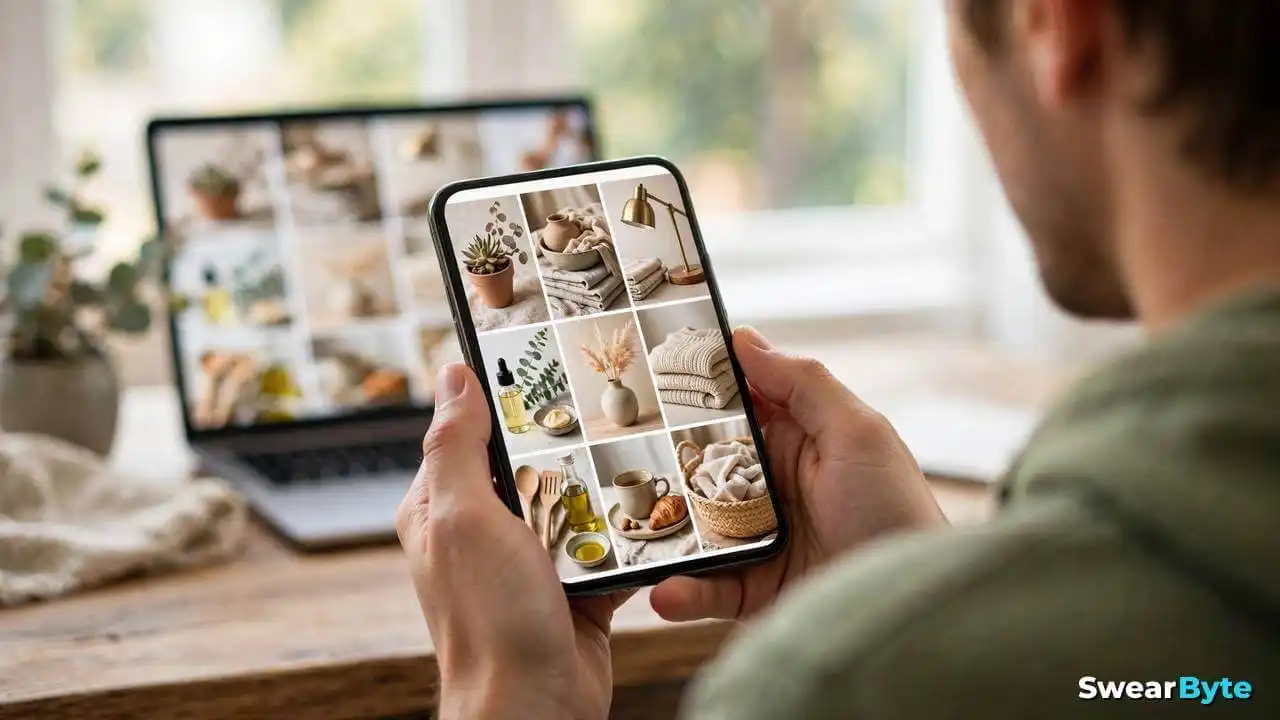
They create pins that link to products or to free content pages that have their links. Affiliate marketing on Pinterest without a blog is possible because Pinterest allows affiliate links in pins, with disclosure.
4. Instagram
Reels, stories, and carousel posts have suggestions, while links are in the bio or story stickers. An Instagram affiliate strategy works best when the account focuses on one area.
5. Facebook groups
They. Join groups about a topic and share real, helpful suggestions. Much promotion destroys this approach quickly, so being honest is very important.
6. Email newsletters
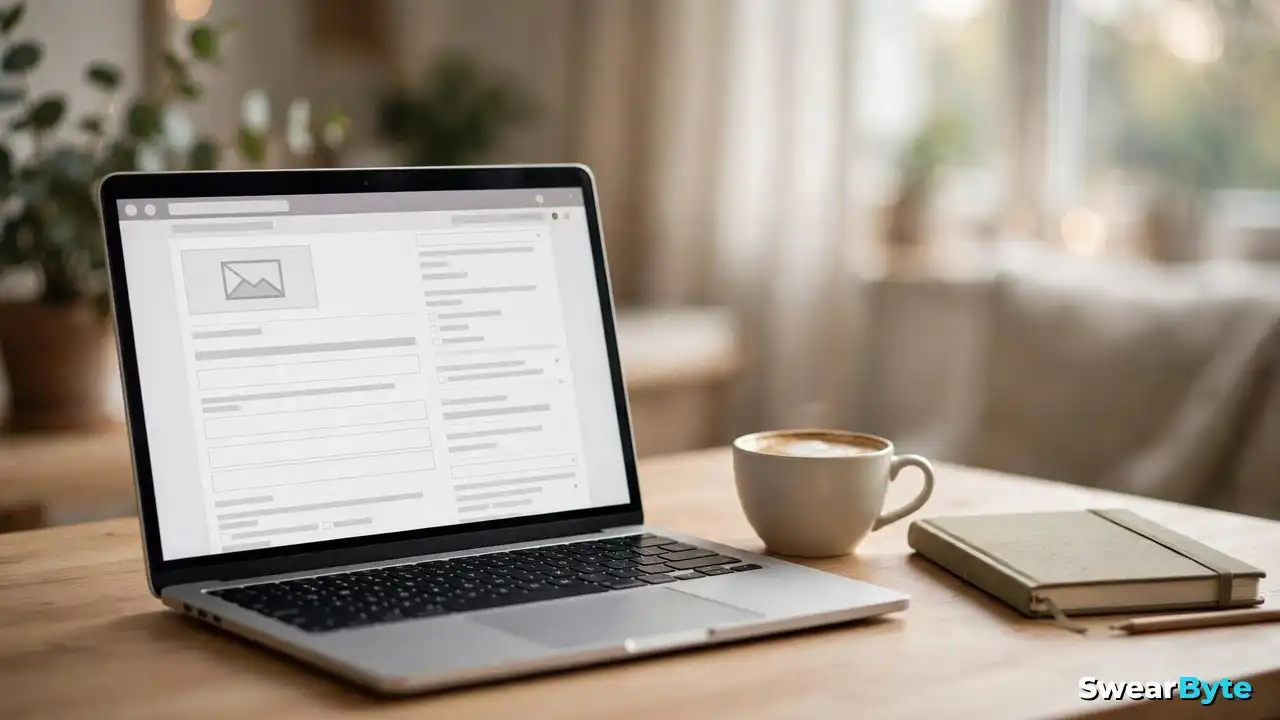
They get people to sign up for something, then suggest products in the emails. Email is a similar thing to owned traffic, without having a website.
7. Medium
Articles are written to provide reviews and tutorials. Medium articles also include affiliate links inside the content. Only after following Medium’s rules and disclosure requirements.
8. Quora and Reddit
They answer questions in depth. Quora and Reddit answers mention products only when they are truly relevant. Both platforms punish spam, so this method works with genuinely helpful answers.
9. Podcasts
Mention products during episodes. Podcasts also place affiliate links in the show notes.
10. Affiliate influencer marketing
As their audience grows. Affiliate influencer marketing deals involve brands reaching out and offering commission per sale, rather than a flat fee.
Can Amazon affiliate links be posted on Pinterest? Yes. Pinterest allows affiliate links in pins, including Amazon affiliate links, as long as the affiliate nature is clearly disclosed. Amazon’s own rules also allow sharing, but beginners should always check current terms before beginners start because policies can change.
| Method | Where the links go | Cost | Best for |
|---|---|---|---|
| YouTube videos | Video description and product tags | Free | Review and tutorial creators |
| TikTok videos | In-video product tags and bio link | Free | Short-form demo lovers |
| Pinterest pins | Pin destination URL and description | Free | Visual niches like home and fashion |
| Bio link and story stickers | Free | Lifestyle and beauty niches | |
| Facebook groups | Group posts and comments | Free | Community builders |
| Email newsletter | Inside the email text | Free to start | Writers who want owned traffic |
| Medium articles | Inside the article text | Free | Long-form reviewers |
| Quora and Reddit | Inside helpful answers | Free | Patient experts |
| Podcast | Show notes | Free | Speakers and interviewers |
| Influencer deals | Brand-provided tracking links | Free | Creators with a growing audience |
How to Choose an Affiliate Niche
A successful start requires the right affiliate niche. The niche is basically the subject they write about.
How to do niche research without thinking much? You list subjects you’re familiar with, then check three things: Are there companies selling items in that area? Are people asking questions about it online? Can you make content about it for a year without getting tired?
To find niche keywords, type their subject into YouTube or Google and write down the suggested searches. These suggestions show interest.
Profitable niches usually have three things in common: products that offer commissions, customers with real issues, and advertisers who are spending money. Software, finance, health, and hobbies are examples.
Here are ten great niches that are good for people without a website. Each one has working affiliate programs, real customers, and content that works on platforms.
- Software and AI tools are great for recurring commissions. I find that one referral can keep paying for months. Screen recordings on YouTube and TikTok fit perfectly.
- Personal finance has budgeting apps and banking products that pay well. Personal finance is competitive, so beginners should focus on one topic like budgeting for students.
- Health and fitness sells workout gear, supplements, and fitness apps year‑round. Health and fitness short demo videos do the lifting.
- Beauty and skincare product reviews and daily routines work great on TikTok, Instagram, and Pinterest. Beauty and skincare buyers already shop by recommendation.
- Home decor and DIY Pinterest boards and YouTube tutorials bring buyer traffic in the home decor and DIY visual niche.
- Pet owners spend happily on food, toys, and grooming gear. Pets’ cute content gets shared fast on every platform.
- Gaming, games, headsets, and accessories have buyers. Gaming clips and YouTube reviews convert well.
- Photography and video gear cameras, lenses, and editing software carry higher prices, which means bigger commissions per sale.
- Online learning courses and learning platforms pay for every student referred. Learning Quora answers and YouTube tutorials fit naturally.
- Travel gear, luggage, backpacks, and travel gadgets sell to planners on Pinterest and YouTube, especially before holiday seasons.
Searching “niche finder free youtube” brings up walkthrough videos where creators show their research process live. Watching one or two of those teaches more than reading ten listicles.
Best Affiliate Marketing Tools
The best affiliate marketing tools are the ones that beginners actually use. They don’t need a list of tools on day one.
For tracking, the affiliate dashboard inside each program already shows clicks and sales. Beginners who promote programs sometimes use free affiliate tracking software to see everything in one place. Reading affiliate tracking software reviews helps them pick one that fits their budget.
For discovery, affiliate network reviews help beginners compare networks by reliability and program variety. Networks act as middlemen between companies and affiliates.
For growth, affiliate analytics matter more than vanity metrics. The affiliate marketing metrics worth watching are click-through rate, conversion rate, and earnings per click. A simple monthly affiliate marketing report- a spreadsheet beats guessing.
Affiliate management becomes relevant later. When beginners earn enough to work with brands directly, affiliate management means handling those relationships, negotiating rates, and tracking deliverables. Or you can ignore it and focus on content.
Affiliate Marketing Jobs
Some readers do not want to be affiliates. They want affiliate marketing jobs at companies. Those jobs exist. Companies hire affiliate managers. Companies hire partner marketers. Companies hire content specialists to run their programs.
These roles suit people who understand both marketing and relationships. The skills learned as an affiliate include tracking, creating content, negotiation, and transfer. For some, a job in the industry pays better than struggling as a beginner.
Frequently Asked Questions
Is affiliate marketing easy?
For beginners, affiliate marketing can start with effort, but mastering affiliate marketing is a real challenge. Here are some affiliate marketing pointers that I find helpful for beginners: choose one niche, post, and keep track of every link.
How fast can you make money with affiliate marketing?
Usually, most beginners need months, not days, to notice money. Those who learn how to start affiliate marketing without spending any money and who post content each week tend to see faster results.
Can you post Amazon affiliate links on Pinterest?
Yes. Every pin must carry a clear disclosure. Many beginners like me begin affiliate marketing for free on Pinterest because pins keep drawing traffic for months.
Should you build a website later?
Many of my peers do. Successful affiliate marketing websites normally start as niche sites. Looking at affiliate marketing website examples helps. Beginners need to remember that the examples with big traffic were built over years. A website is an upgrade, but it is not a requirement.
Some beginners type things into Google like “what is affiliate”. The answer stays the same: it means promoting products and earning a commission when someone buys through your link.
German speakers sometimes search for “affiliate marketing beispiel,” which translates to “affiliate marketing example”. That could be a creator who reviews a coffee maker on YouTube and earns money every time a viewer clicks their link and makes a purchase.
Conclusion
Affiliate marketing without a website is a way to make money, not a trick. People who start out by learning what affiliate marketing is, check that it is real, keep expenses low, take the steps one by one, choose a topic you care about, and share information. Give yourself a good chance to succeed.
The system rewards people who’re patient and truthful. Those who see it as a business, not a way to get rich quick, are the ones who stay in it for the long run.
Before You Go
- ✓ Affiliate marketing without a website is legit, and starting is free.
- ✓ One niche plus one platform beats ten half-finished accounts.
- ✓ Disclose every affiliate link. Trust is the real currency here.
Related Posts
- Paid Online Surveys in 2026: 7 Legit Ways to Earn Extra Money
- How to Find Freelance Clients: 9 Proven Ways for Beginners (2026)
- 10 Best AI Tools for Daily Life in 2026

3 Comments on “Affiliate Marketing Without a Website: 10 Proven Ways for Beginners (2026)”